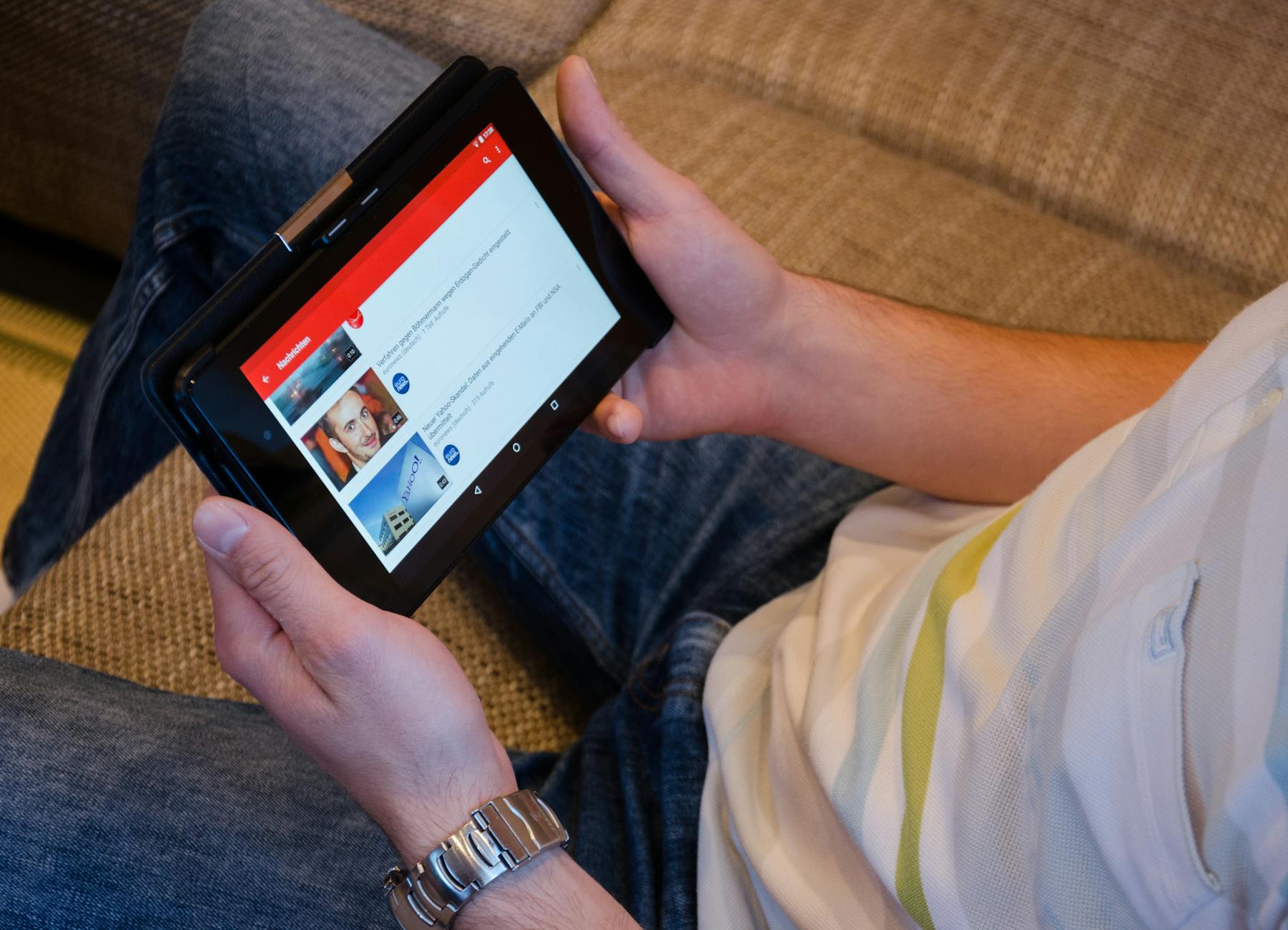
Complete Beginner Guide to IPTV Technology: Everything You Need to Know
IPTV technology is revolutionizing how we consume television content by delivering programming through internet protocols instead of traditional broadcast methods. This comprehensive guide covers everything beginners need to understand about IPTV, from basic concepts and equipment requirements to setup processes and legal considerations.
Internet Protocol Television (IPTV) has transformed the entertainment landscape, offering viewers unprecedented control over what they watch and when they watch it. If you're new to IPTV technology, this complete beginner's guide will walk you through everything you need to know to get started.
What is IPTV Technology?
IPTV stands for Internet Protocol Television, a system that delivers television content through internet networks rather than traditional terrestrial, satellite, or cable formats. Instead of broadcasting content in real-time through radio waves or fiber-optic cables, IPTV streams programs through your internet connection.
Unlike downloaded media, IPTV content is streamed in real-time, similar to how you browse websites. This technology allows for a more personalized and flexible viewing experience compared to conventional television services.
How IPTV Differs from Traditional TV
Traditional television broadcasting works on a push model where content is broadcast, and viewers can only watch what's currently being transmitted. IPTV operates differently by allowing viewers to request specific content, enabling features like:
- On-demand content selection
- Pause and rewind live television
- Access to vast content libraries
- Multi-device compatibility
- Interactive features and program guides
Types of IPTV Services
IPTV technology encompasses three primary service categories, each serving different viewing needs and preferences.
1. Live Television
Live IPTV streaming broadcasts programs in real-time, similar to traditional TV but delivered through internet protocols. You can watch sports events, news, and live shows as they happen, often with the ability to pause and rewind.
2. Video on Demand (VOD)
VOD services provide access to extensive libraries of movies, series, and documentaries that you can watch whenever you choose. This format offers maximum flexibility, allowing you to build your own viewing schedule.
3. Time-Shifted Media
This service lets you watch previously aired content for a limited period. Catch-up TV is a popular example, allowing you to watch programs that aired hours or days ago without recording them.
Essential Equipment for IPTV
Setting up IPTV requires specific equipment, though the exact requirements depend on your chosen service and viewing preferences.
Internet Connection
A stable, high-speed internet connection is fundamental for IPTV. The minimum requirements vary based on content quality:
- Standard Definition (SD): 3-4 Mbps
- High Definition (HD): 5-8 Mbps
- 4K Ultra HD: 25+ Mbps
For optimal performance, especially with multiple devices, consider internet speeds higher than these minimums.
IPTV Set-Top Box or Device
You'll need a device to decode and display IPTV streams. Options include:
- Dedicated IPTV set-top boxes
- Smart TVs with built-in IPTV apps
- Streaming devices (Android boxes, Amazon Fire Stick)
- Gaming consoles
- Computers and mobile devices
Router and Network Setup
A quality router ensures smooth streaming without buffering. For best results, use a modern router that supports dual-band frequencies and position it strategically for optimal signal strength.
How to Set Up IPTV: Step-by-Step Guide
Getting started with IPTV is straightforward when you follow these systematic steps.
Step 1: Choose Your IPTV Service Provider
Research legitimate IPTV providers that offer the content and features you want. Consider factors like channel selection, video quality, customer support, and pricing structures.
Step 2: Subscribe and Obtain Credentials
After selecting a provider, complete the subscription process. You'll receive login credentials or an M3U playlist URL necessary for accessing the service.
Step 3: Install Required Software or App
Download and install the IPTV application compatible with your device. Popular options include dedicated provider apps or universal IPTV players that support M3U playlists.
Step 4: Configure Your IPTV Application
Enter your credentials or playlist URL into the application. Most IPTV apps provide simple setup wizards that guide you through the configuration process.
Step 5: Test and Optimize
Start streaming content and adjust settings for optimal performance. You may need to tweak buffer settings, video quality, or network configurations based on your connection speed.
Advantages of IPTV Technology
IPTV offers numerous benefits that make it increasingly popular among modern viewers:
- Flexibility: Watch content on various devices, anywhere with internet access
- Cost-Effective: Often more affordable than traditional cable or satellite subscriptions
- Extensive Content: Access to international channels and diverse programming
- Interactive Features: Enhanced viewing experience with program guides and recommendations
- On-Demand Access: Watch what you want, when you want
- Multiple Streams: Many services allow simultaneous viewing on multiple devices
Common IPTV Challenges and Solutions
Buffering and Streaming Issues
Buffering is the most common IPTV problem, typically caused by insufficient internet speed or network congestion. Solutions include upgrading your internet plan, using wired connections instead of Wi-Fi, and closing bandwidth-consuming applications.
Compatibility Problems
Some devices may not support certain IPTV formats or applications. Research compatibility before purchasing equipment, and ensure your chosen service works with your existing devices.
Service Reliability
IPTV quality depends heavily on your provider's infrastructure. Choose established providers with positive reviews and reliable server networks to minimize service interruptions.
Legal Considerations and Best Practices
Understanding the legal landscape of IPTV is crucial for all users. IPTV technology itself is completely legal, but the legality of specific services depends on content licensing.
Legitimate IPTV providers obtain proper broadcasting rights and licenses for their content. When choosing a service, verify that the provider operates legally by:
- Checking for proper business registration and transparency
- Confirming they have content distribution agreements
- Reading terms of service carefully
- Avoiding services offering suspiciously low prices for premium content
- Researching provider reputation and reviews
Future of IPTV Technology
IPTV continues evolving with technological advancements. Emerging trends include enhanced 4K and 8K streaming, improved compression algorithms for better quality at lower bandwidth, artificial intelligence-driven content recommendations, and integration with smart home systems.
As internet infrastructure improves globally, IPTV is positioned to become the dominant television delivery method, offering viewers unprecedented control and content variety.
Getting Started with Your IPTV Journey
Now that you understand IPTV technology fundamentals, you're ready to explore this exciting entertainment option. Start by assessing your internet connection, researching reputable providers, and selecting equipment that matches your needs and budget.
Remember that successful IPTV experience depends on three key factors: reliable internet connectivity, quality equipment, and a legitimate service provider. Take time to make informed decisions at each step, and you'll enjoy a superior viewing experience that combines the best aspects of traditional television with modern internet capabilities.
IPTV technology represents the future of television entertainment, offering flexibility, variety, and convenience that traditional broadcasting simply cannot match. Whether you're looking to cut cable costs, access international content, or simply enjoy more control over your viewing experience, IPTV provides a compelling solution for modern viewers.
También te puede interesar